
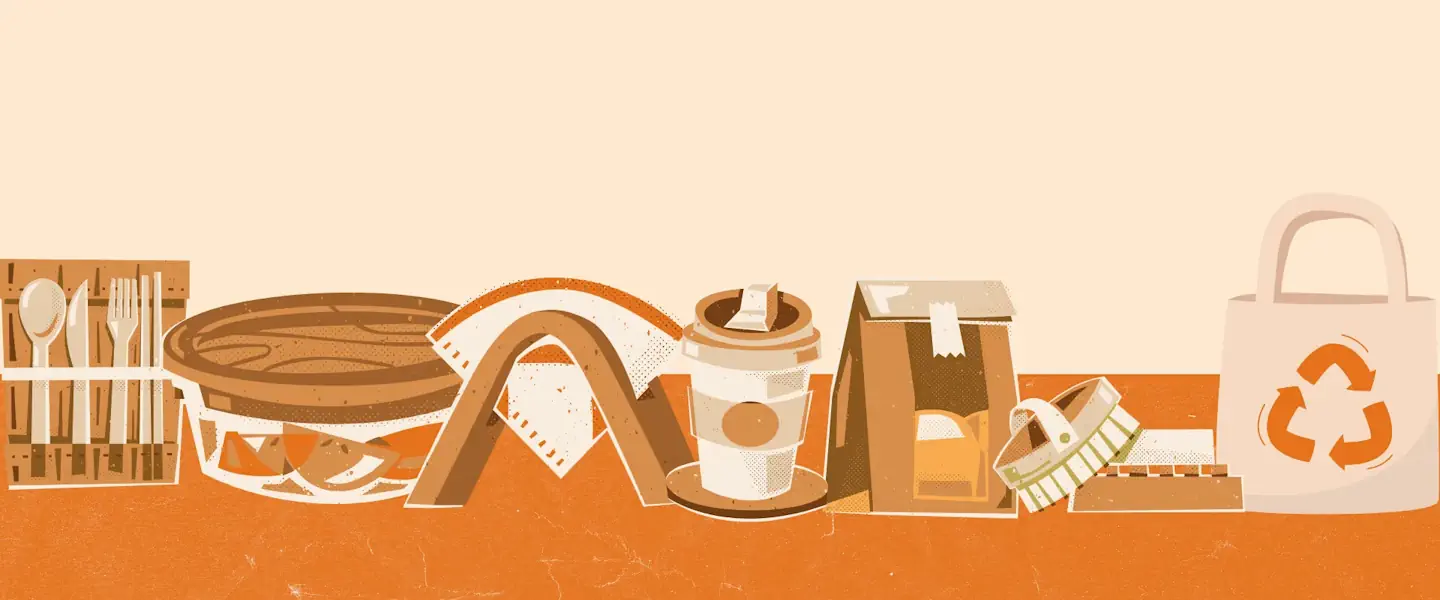
The disposable products sector, which is typically associated with convenience and single-use products, is rapidly evolving.
Driven by technological developments, increasing awareness of the environment, and changing consumer preferences, the future of disposable products is set for innovation.
For procurement managers and supply chain executives, understanding these trends is necessary for strategic planning and maintaining a competitive edge.
Growing environmental concerns and regulatory requirements are pushing companies to search for more sustainable solutions without sacrificing cost-effectiveness or usefulness.
This blog investigates the new ideas, technologies, advancements, and approaches changing the disposable products market.
Trends and Innovations in Disposables Sector
The future of disposable products resides in finding a balance between utility, sustainability, and creativity. To achieve this balance, businesses must ensure they’re constantly innovating with new developments.
1. Sustainable Materials and Eco-Friendly Alternatives
The move toward sustainable materials is one of the most important developments in the sector of disposable products.
Companies are investing heavily in research and development to create products that minimize environmental impact.
Among the notable sustainable materials that are gaining traction are:
- Plant-Based Plastics: Derived from sustainable materials like maize starch or sugarcane, plant-based plastics such as polylactic acid (PLA) are rising in popularity. These materials have similar functionality but are biodegradable in industrial conditions, therefore offering a good substitute for conventional petroleum-based plastics.
- Biodegradable and Compostable Materials: These materials naturally decompose over time, thereby lessening their impact on landfills and the environment. Disposable plates, cutlery, and packaging are being made from materials such as bamboo, bagasse (sugarcane fiber), and palm leaves.
- Recycled Content: Another green strategy is integrating recycled materials into disposable products. Businesses are using modern recycling technologies to create high-quality products from post-consumer waste, thereby closing the loop and supporting a circular economy.
2. Advanced Manufacturing Techniques
Innovations in manufacturing techniques are revolutionizing the future of disposable products, enabling the production of more efficient, cost-effective, and environmentally friendly products.
These manufacturing techniques are being leveraged to their full extent through optimized deployment and effective handling of processes.
- 3D Printing: 3D printing technology is making waves in the manufacturing sector, including disposables. It makes fast prototyping, customizing, and manufacturing of intricate designs that were until challenging possible. This system reduces time and production costs in addition to minimizing waste.
- Edible Coatings and Films: Sustainable substitutes for conventional plastic coatings are edible coatings created from seaweed extracts, vegetable waxes, and plant starches. Fruits and vegetables are being packaged in edible films, therefore prolonging shelf life and cutting food waste.
- Bioplastics with Enhanced Properties: Bioplastics are constantly evolving, with improved properties like heat resistance, strength, and barrier functionality. Their great range of capabilities and features will help them to be adopted more widely in many uses.
- Injection Molding: Injection molding remains a popular manufacturing technique for disposable products. Recent developments in this area, including better mold designs and bioplastics, are increasing the sustainability and efficiency of the production process.
- Automation and Robotics: Manufacturing processes are being simplified in great part by automation and robotics. Automated systems guarantee consistent quality, speed up manufacturing, and minimize human error. Robotics are applied in the sector of disposable products for tasks including quality monitoring, packing, and assembly.
3. Innovative Product Designs
Innovation in product design is crucial for meeting the evolving demands of both consumers and businesses, and it will play a transformative role in the future of disposable products.
The emphasis is on designing sustainable, aesthetically beautiful, and functionally useful disposable products.
- Multifunctional Products: Multifunctional disposable products are gaining popularity due to their versatility and convenience. One product, for instance, that doubles as a utensil and a food container can help to cut the demand for several products, therefore minimizing waste.
- Customization and Personalization: Customization and personalization are becoming increasingly important in the disposable products industry. Using digital printing technology, companies are providing personalized branding and designs, therefore improving the user experience and supporting brand identification.
- Ergonomic and User-Friendly Designs: Improving the functionality of disposable products depends heavily on ergonomic and user-friendly designs. Among the innovations in this field are simpler packing, spill-resistant containers, and utensils with better grip.
4. Regulatory Compliance and Standards
Regulatory compliance and adherence to standards are getting more stringent as the disposable products sector develops.
Companies have to be current with the latest regulations to guarantee their products satisfy the necessary criteria and prevent penalties.
- FDA and CE Certifications: For disposable products, particularly those used in the medical and food service industries, FDA and CE certifications are absolutely vital. These certifications provide customers and companies confidence since they guarantee that the products satisfy safety and quality criteria.
- ISO Standards: Maintaining quality and safety in the disposable products sector depends critically on ISO standards such as ISO 13485 for medical devices. Following these guidelines guarantees consistent manufacturing of products that satisfy global standards.
- Environmental Regulations: Environmental regulations are increasingly influencing the disposable products industry. Businesses aiming to operate responsibly and sustainably must first comply with laws pertaining to waste management, plastic use, and recycling.
5. Technological Integration
The integration of technology is transforming the future of disposable products, enhancing efficiency, traceability, and customer satisfaction.
Modern technology is bound to transform how the sector operates by improving its processes, material handling and supply chain.
- IoT and Smart Packaging: Smart packaging and the Internet of Things (IoT) are transforming how disposable products are handled and used. Real-time data on product usage, inventory levels, and expiration dates made possible by IoT-enabled packaging can help improve supply chain management.
- Blockchain for Traceability: Blockchain technology is being utilized to enhance traceability and transparency in the disposable products supply chain. Blockchain can help guarantee product authenticity and quality by offering a safe and immutable record of product data, therefore fostering customer and corporate confidence.
- AI and Big Data: Big data and artificial intelligence (AI) are being used to optimize manufacturing processes, forecast consumer trends, and enhance product design. These tools help companies make data-driven decisions, hence improving competitiveness and efficiency.
6. Market Trends and Consumer Preferences
Understanding market trends and consumer preferences is crucial for businesses in the disposable products industry to help them effectively forecast the future of disposable products and act accordingly.
The following trends are shaping the future of disposable products:
- Demand for Eco-Friendly Products: Consumers are increasingly prioritizing sustainability, driving demand for eco-friendly disposable products. Companies who provide environmentally friendly choices are most likely to enjoy a competitive advantage and draw in consumers who share their values.
- Health and Safety Concerns: The COVID-19 epidemic has raised awareness of health and safety, which has driven demand for disposable products in sectors such food service, hospitality, and manufacturing. Businesses are focusing on developing products that provide enhanced protection and hygiene.
- Cost-Effectiveness: While sustainability and innovation are important, cost-effectiveness remains a key consideration for businesses. Businesses are looking for disposable products that strike a mix between cost, performance, and quality such that they satisfy their budgets without sacrificing performance.
The Bottomline
The future of disposable products will be defined by innovation, sustainability, and technological integration.
As the industry evolves, organizations need to keep up with growing trends and innovations in order to remain competitive and satisfy changing consumer and regulatory needs.
Maadho’s commitment to embracing sustainable materials, enhanced production techniques, cutting-edge product designs, and advanced technological integration positions us as a leader in the market.
By partnering with Maadho, companies can set the standard in the disposable products market. We provide solutions that are not only practical and environmentally responsible but also cost-effective and customizable to meet specific needs. Join us in leading the way towards a more sustainable and innovative future for disposable products.