

We’re all surrounded by choices these days, from reusable bags at the grocery store to those tempting disposable coffee cups. Every decision we make, even something as simple as what kind of bag to use, can have a ripple effect on the environment.
The classic topic of paper, plastic, or this new bioplastic thing is among the most hotly contested issues in packaging. Each option has advantages and drawbacks; so, choosing the best environmentally friendly solution can seem like a complete brain teaser.
This blog will examine paper vs plastic vs bioplastics using a comparative approach to determine which material is best for business and the planet.
Let us investigate the materials and determine which one is the environmental champion.
Paper:
Derived from wood pulp, paper has been a packaging mainstay for centuries. Under the correct conditions, its essentially natural origin makes it easily biodegradable and compostable.
With a recovery rate of about 66% in the US alone, recycling paper also has excellent credentials.
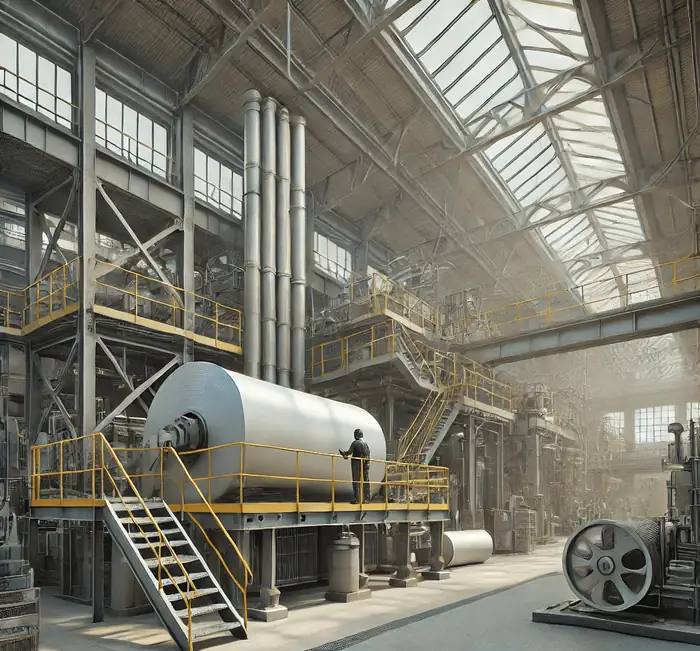
This results in a notable decrease in virgin wood pulp usage, therefore preserving forests—essential carbon reservoirs in the battle against climate change.
Environmental Impact
The environmental footprint of paper is not negligible. Paper production calls for large volumes of energy and water.
Making one ton of paper, for example, may take up to 17 trees and 20,000 gallons of water. Furthermore, paper production produces significant greenhouse gas emissions mostly from the energy-intensive pulping and bleaching process.
Add to this deforestation for pulp production and we have a problem at hand.
Production Cost
The kind of paper and the manufacturing techniques used greatly affect the cost of producing paper.
Although recycled paper is less expensive than virgin paper, the collecting and processing of recycled materials still makes it quite costly.
Because paper production requires more resources than plastics, the production of paper products is more costly.
Usability and Performance
From packaging to disposable tableware, paper products are incredibly versatile and may be utilized in a range of ways.
However, paper has limitations in terms of durability and resistance to moisture.
Often needing coatings or laminations to improve its functionality, paper-based packaging might hamper recycling initiatives.
Plastic:
Plastic, the material we love to hate, revolutionized packaging for its durability, lightweight nature, and versatility.
Regretfully, given its environmental impact, its very advantages become drawbacks.
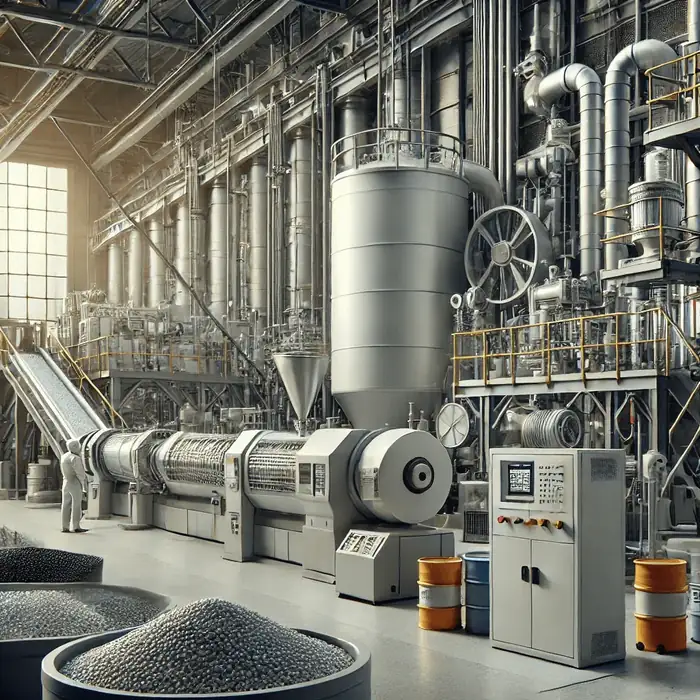
Conventional plastic is derived from non-renewable fossil fuels, contributing to greenhouse gas emissions throughout its lifecycle, from production to disposal.
The real problem lies in its near-immortality.
Unlike paper, plastic does not easily biodegrade, which results in an accumulation of plastic debris in oceans and landfills compromising ecosystems and species.
Although certain plastics can be recycled, the global rate of recycling remains appalling at about 9%.
Environmental Impact
Usually derived from petrochemicals like polyethylene and polypropylene, traditional plastic has a widely recognized environmental impact.
Though they are quite versatile and lightweight, plastics are also resistant to natural degradation.
As a result, plastic waste can persist in the environment for hundreds of years.
About 360 million tons of plastic was produced worldwide in 2018; just 9% of which was recycled.
The rest end up in oceans, landfills, and other ecosystems, polluting the environment and endangering species.
Production Cost
The established infrastructure and technologies for petrochemical extraction and plastic manufacturing help to explain why production of plastic is rather cheap.
Plastic is the most affordable mass-produced material because of low raw material costs and effective manufacturing techniques.
This cost-effectiveness has contributed to the widespread use of plastic in various industries.
Usability and Performance
Plastic’s strength comes from its resistance to chemicals and moisture as well as from its flexibility and durability.
These properties make it ideal for a wide range of applications, including packaging, medical supplies, and consumer goods.
However, the very qualities that make plastic useful also contribute to its environmental persistence and overall damage caused.
Bioplastics:
A newcomer to the game, bioplastics provide a cleaner substitute.
Made from renewable resources like cellulose, corn starch, or even algae, they supposedly provide the ease of plastic together with a smaller environmental impact.
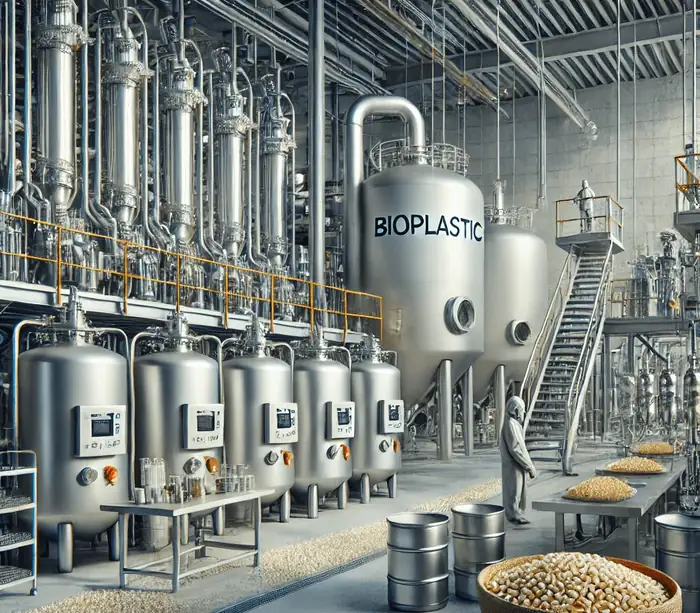
Some bioplastics are indeed biodegradable under specific industrial composting conditions, offering a potential solution to the plastic waste crisis.
However, not all bioplastics are created equal.
A substantial amount is still produced using a mix of bio-based components and traditional plastic, therefore impeding true biodegradability.
Furthermore, the mass manufacturing of bioplastics could challenge food crops for resources like land and water, therefore compromising sustainability.
Environmental Impact
Under specific conditions, bioplastics can be produced to be compostable or biodegradable.
However, the way bioplastics are disposed of and the resources employed in their production significantly determine their environmental benefits.
Making bioplastics from corn, for instance, can result in more fertilizers and pesticide use as well as deforestation.
Moreover, not all bioplastics degrade easily; some require industrial composting facilities that are not widely available.
Production Cost
Production of bioplastics costs higher than those of conventional plastics right now.
The cost premium is attributed to the raw materials and the relatively nascent state of bioplastic manufacturing technology.
The manufacturing cost of bioplastics should drop as the sector develops and economies of scale are attained.
Nonetheless, the current high costs remain a barrier to their widespread adoption.
Usability and Performance
With the same degrees of durability and adaptability, bioplastics can replicate the properties of traditional plastics.
Some bioplastics are designed to be biodegradable, providing an advantage in reducing long-term environmental impact.
However, the performance of bioplastics can vary significantly depending on their composition and the circumstances in which they are used and disposed of.
The Packaging Showdown: A Side-by-Side Comparison
There’s no clear-cut winner in the paper vs. plastic vs. bioplastics battle.
The ideal choice depends on the specific application and disposal infrastructure available.
Here’s a comparative table to compare the three materials:

As per the table, it is complex to conclude what material is truly the winner. However, depending on the purpose of usage and other factors, here is what we can conclude:
Paper is good when:
- Lightweight, short-term packaging is needed
- Recycling facilities are readily available
- The product is compostable
Plastic may take the lead when:
- Durability and weather resistance are critical
- Recycling infrastructure exists for that specific plastic type
- Refillable options are unavailable
Bioplastics can help when:
- Industrial composting facilities are readily available
- The bioplastic is truly biodegradable
- It’s not competing with food production
Final Takeaway
The reality is, there’s no single material that solves all our packaging problems. A multi-pronged approach is crucial.
We need to:
- Reduce: Minimize packaging altogether. Opt for reusable bags, containers, and choose products with minimal packaging.
- Redesign: Support companies that are innovating sustainable packaging solutions such as Maadho. Explore options like edible coatings or mushroom-based packaging.
- Recycle: Increase recycling rates by investing in efficient sorting and processing facilities. Ensure bioplastics are labeled clearly for proper disposal.
- Compost: Compost food scraps and yard waste to create nutrient-rich soil, diverting organic matter from landfills. This fosters a circular economy for paper and compostable bioplastics.
By understanding the strengths and weaknesses of each material, we can make informed choices that minimize our environmental impact and pave the way for a more sustainable future.
Choosing the right disposable product can feel overwhelming. Paper offers biodegradability, plastic provides durability, and bioplastics aim to bridge the gap. But what if you could have it all?
At Maadho, we understand the complexities of sustainable packaging. That’s why we offer a diverse range of disposable products made from paper, PLA, sugarcane, and other innovative materials.
Our product line includes sustainable paper products, versatile plastics, and innovative bioplastics, all designed to meet your needs and sustainability goals.